
In the intricate world of fluid control systems the seamless coordination between solenoid valves and actuated ball valves plays an important function. These components, often unnoticed heroes, work together to create a dynamic team that permits precise and automated flow control. Let’s explore the world of solenoid valves and actuator valves. Let’s examine their applications and discover the symbiotic relationships that are the basis for fluid management.
Solenoids, gatekeepers operated by electricity for fluid flow, are crucial to seamless controls in a wide range of applications. These valves are crucial in directing air-actuated ball valve and butterfly valves, giving a new layer of accuracy and efficiency to fluid control systems. Created to react to electrical signals they function as orchestrators, telling what time and when the liquid path should open or close.
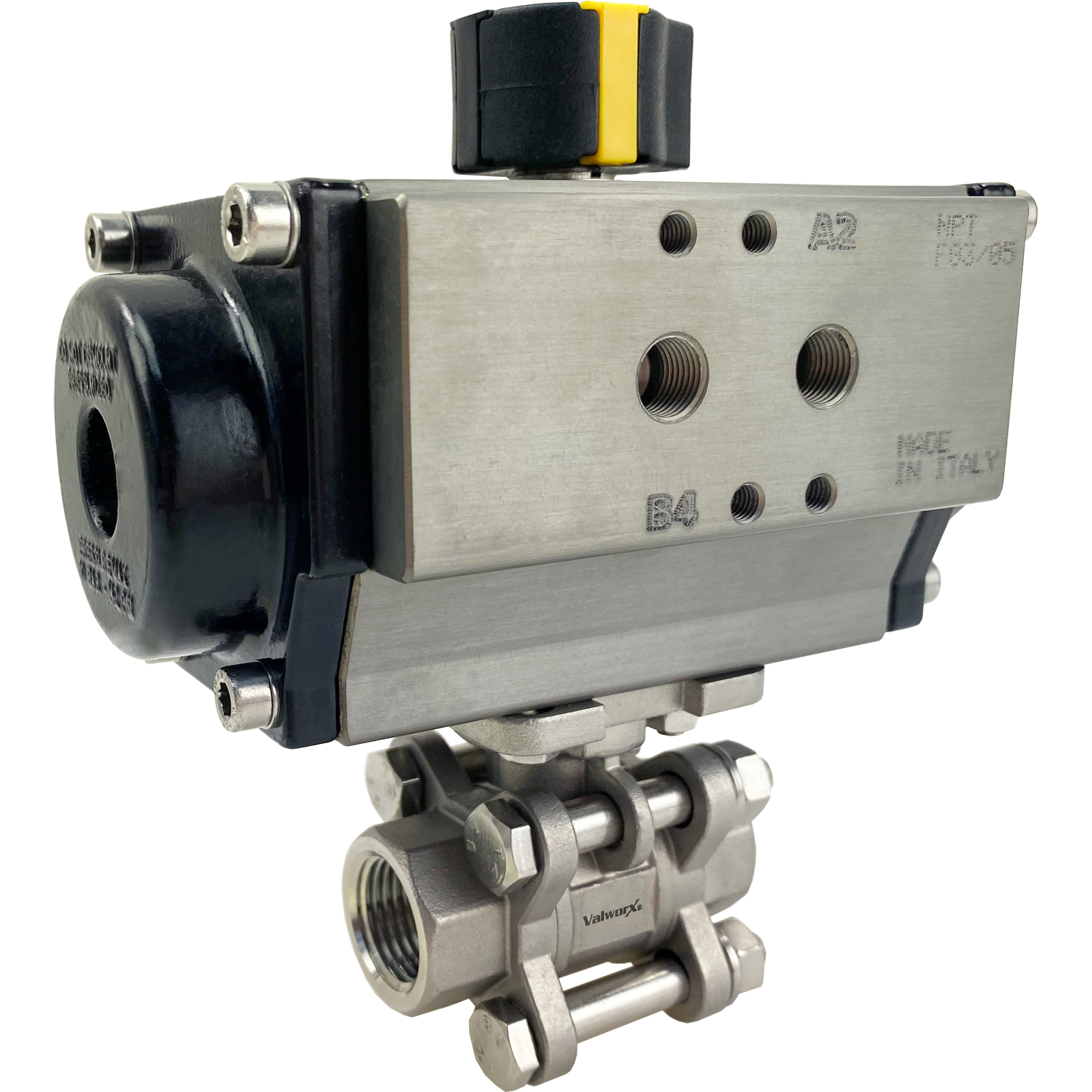
One of the unique features of solenoid valves is that they can be used with spring return as well as double-acting air actuators. This allows them to adapt to a variety of operational demands thus making them a viable option in a variety of industries. Integration is made easier by the NAMUR mounting plate which is a global standard. This permits a direct connection with the air actuator.
Ball valves with actuators: Powering automated fluid positioning
Ball valves that are actuators, however allows automation to the movement of valves. The valves are powered by electric or pneumatic actuators, and then automatically rotate to the desired position. This enables free-of-hands fluid control. Through the combination of solenoid and ball valves, a system has been built where mechanical motion meets electrical precision.
The ball vale that is actuated is the best choice for applications that require precision and reliability. Its ability to regulate flow with accuracy is an ideal solution when it comes to tasks that require either on/off or modulating control. Oil, air, water, and other compatible media are under the skilled control of actuated ball valves that ensure a smooth and effective flow that can meet expectations of the job.
Solenoid Symphony in Air Actuated Ball Valve Precision
Similar to a symphony orchestra of instruments, the collaboration between air-actuated balls and solenoid valves produces harmony in fluid control. Solenoid controls, that respond to electrical signals, which control the closing and opening of the path for fluid, are controlled by solenoid devices. This electrical signal directs the air-actuated valve to perform a dance that is precisely controlled to control the flow.
The thing that makes this symphony amazing is the integration of the NAMUR mounting pad. This connection is standard and simplifies the assembly, and ensures a safe and effective linkage to the solenoid and the air actuator. This seamless connection transforms electrical signals into physical motions providing a level of precision that meets the rigorous demands of industrial applications.
Modulation of Navigating The dynamic world of Ball Valve Control
They are known for their flexibility, regardless of whether they’re actuated valves or not. They are essential in many industries since they can control water, air or oil flow. This capability is further enhanced by the actuation of ball valves that are powered by solenoid valves.
Modulating control is critical for applications where fluid demand for flow is variable. Ball valves that are activated, guided by solenoid accuracy, are able to excel in these kinds of scenarios. The dynamism of ball control is the ideal solution for adjusting the rates of water flow in cooling systems as well as modulating air releases in pneumatic applications.
It is essential to have a range of ball vales to be able to attain the best efficiency and longevity. Industries require solutions that not only meet their immediate needs but will also stand the test time in diverse operational environments. Ball valves come in a variety of styles and sizes, each setting the standard for quality and performance.
Whether it’s a requirement for a compact, manually operated ball valve or a sophisticated, electrically actuated ball valve, the options are vast. The process of choosing a valve is based on factors such as the type of fluid as well as operating pressure, temperature, and the specific requirements of the application. The wide variety of available fluids ensures that every industry can find the right solution for their specific needs.
Final Conclusion: Precision Dance of Solenoid Valves & Actuated Ball Valves
Precision is key to the complexity of control fluids. The partnership between solenoid and actuated valves is a perfect illustration of this. The electronic control of solenoid valves seamlessly melds with the mechanical power of actuated ball valves, creating a dance of precision that manages flow with unparalleled accuracy.
Each component in this symphony is playing a vital function. From the international standard NAMUR mount pads that guarantee secure connections, to the automated rotations of actuated balls valves as a result of solenoid signals. The dynamic duo of solenoid as well as actuator valves is an essential component in fluid management systems that are looking for high-quality, efficient and flexible.